
SD card encryption
Didi64_549 Posted messages 2913 Registration date Status Member Last intervention -
Hello,
I own a sound device that runs on a microSD card. The sounds are text files, as well as a file that allows assigning each sound to a button on the sound device.
On older models, you simply modify the file that assigns jingles to the keys by indicating the name of the new file present on the card. Once the card is reinserted into the sound device, the new sound is correctly assigned to the chosen button.
However, on newer models, the SD card structure seems identical, but as soon as I add a new sound and modify the file that assigns the sounds to the keys to attach it to a button, the card becomes completely unreadable by the sound device.
I was told about the existence of hidden files, but I couldn't find any. Others have told me that these cards are prepared with an older version of Windows, without providing more details.
I want to specify that I have always had access to the card files, so no passwords, ...
I have also noticed a strange detail: a small audio file weighs about 128 KB and a larger one about 512 KB. The card contains nearly 160 sounds, but when I view the card properties in Windows 11, only 128 KB of space seems used on the 4GB MicroSD, while the content is clearly much larger. I wonder if there is some compression, indexing, or generation system of the card that makes data invisible, or if all content is created and transferred at once using specific software.
The electronic circuits are manufactured by Aphiltronic. Do you think they could be behind a encryption system, signature, or a proprietary format that prevents manual modification of the SD card?
I would be very grateful for any information or lead for research.
Or would you notice something in the circuits that could store the same data and that when the card is modified the other place has not been modified, thus this would not be identical and would crash the system.
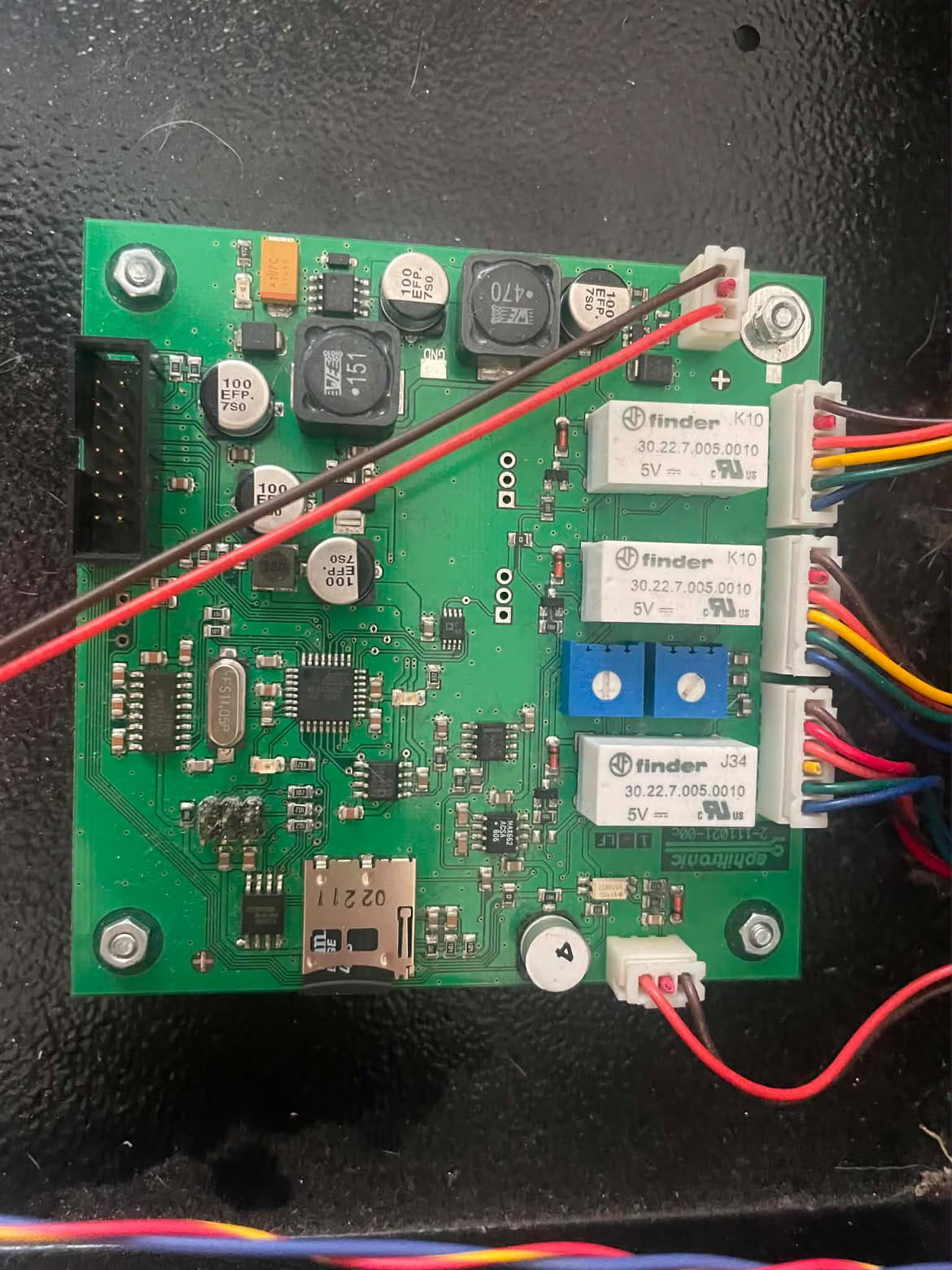
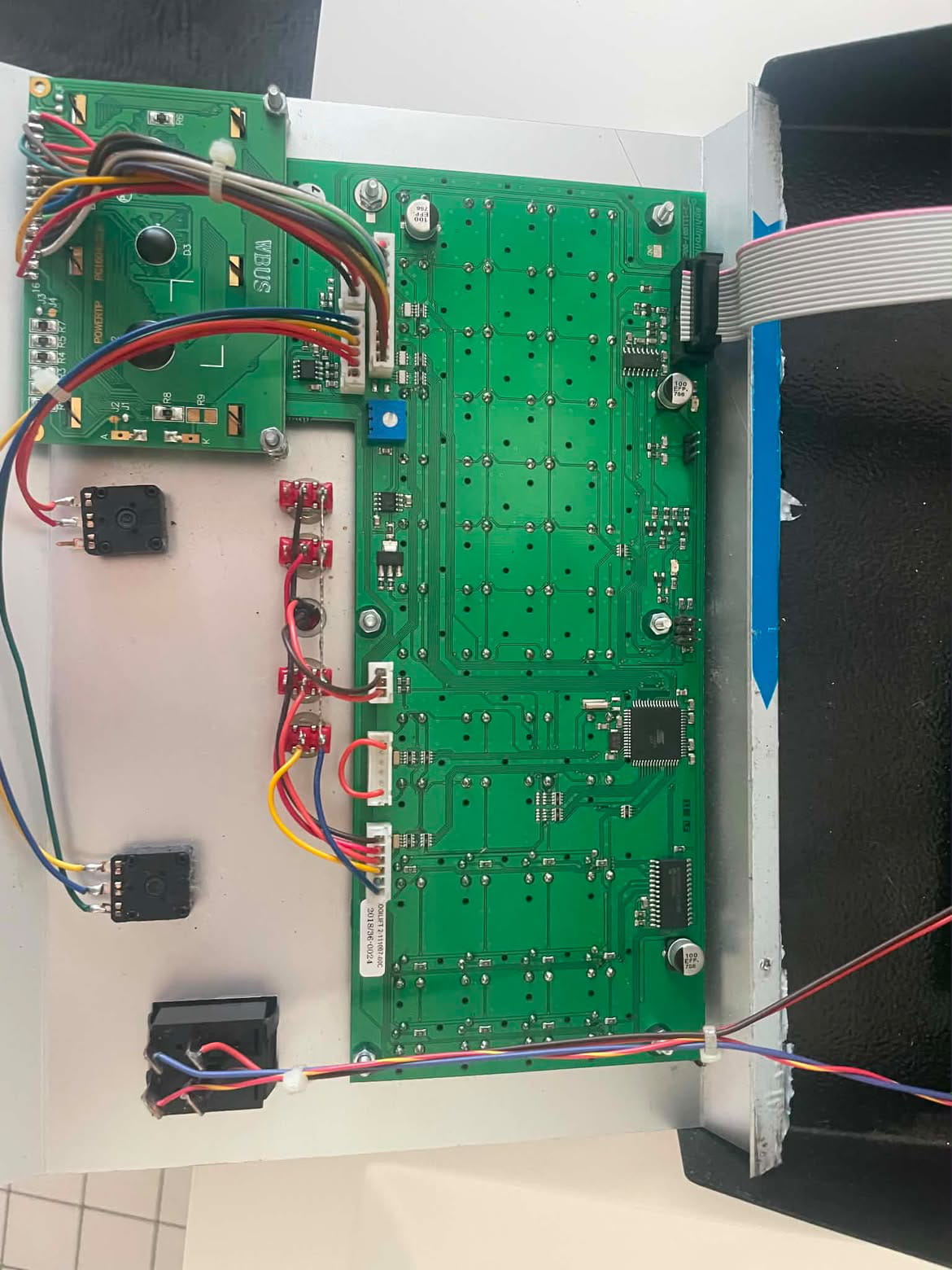
1 answer
-
Hello,
You have modified data on the SD card so it indeed no longer produces the same sound effects.
The actual content of the card is therefore elsewhere, in the circuit's memory.
The new models apparently do not accept modifications.
Your SD card, according to the circuits shown in the photos, likely serves as an identifier but not as real audio storage.
I leave it to you to analyze everything byte-by-byte starting with the SD card, then the circuit, also understand the file formats, and find a way to bypass the protection.
